Victor Wembanyama, the 22-year-old star of the San Antonio Spurs, has publicly refused to partner with sports betting companies, a stance that contrasts sharply with many of his NBA peers. While the NBA heavily promotes betting firms such as FanDuel and DraftKings through advertisements and broadcast odds, Wembanyama has drawn a clear line against endorsing gambling-related products.
During a recent Spurs practice, when asked if he would ever collaborate with a sports betting firm, Wembanyama responded firmly, “I will never do that. Honestly, I think it’s very sad to see some players promote it. Everybody does whatever they want, but without me.“ This rejection stands out in a league where stars like LeBron James, Kevin Durant, and Giannis Antetokounmpo actively engage with betting companies. James is the face of Polymarket, Durant reads FanDuel odds and invests in Kalshi, and Antetokounmpo holds shares in Kalshi.
For players and bettors, Wembanyama’s position highlights ongoing tensions between the normalization of gambling promotion in sports and concerns about its impact on player integrity and fan welfare. His refusal to endorse betting firms may resonate with consumers wary of the increasing presence of gambling marketing and the potential risks it poses, especially to younger or vulnerable audiences.
Endorsements by athletes can influence betting behavior, sometimes encouraging riskier gambling habits. Wembanyama’s stance serves as a reminder that not all athletes support this trend, potentially encouraging more open conversations about responsible gambling and the ethical considerations of sports betting partnerships.
The NBA’s integration with gambling companies includes exclusive streaming deals, such as those formerly with FanDuel Sports Network, and in-broadcast odds displays. This extensive exposure increases the visibility of betting products to fans during games, which may affect betting patterns and perceptions.
As the NBA continues to expand its relationship with gambling operators, players like Wembanyama who reject such deals could become important voices advocating for player protection and consumer awareness. His outspoken refusal also underscores the potential reputational risks athletes face when aligning with gambling companies, a factor some players may now reconsider.
Wembanyama’s position is particularly notable given his age and rising stardom, suggesting he may influence younger players and fans. His willingness to publicly oppose gambling endorsements contrasts with the broader industry trend and may encourage more scrutiny of the role gambling plays in sports.
Fans and bettors should remain mindful of the promotional nature of gambling advertisements during sports broadcasts and consider the broader implications for gambling harm. Awareness of these marketing tactics can help consumers critically assess gambling offers and seek support if needed.
Recent developments in the sports betting sector include legal challenges such as New York Attorney General Letitia James seeking to restrict Kalshi’s contracts in the state, reflecting ongoing regulatory scrutiny of prediction markets and betting platforms (CDC Gaming).
For more information on sports betting developments and player protection, see our Betting coverage and responsible gambling resources at Responsible Gambling.
Source: Gambling | The Guardian
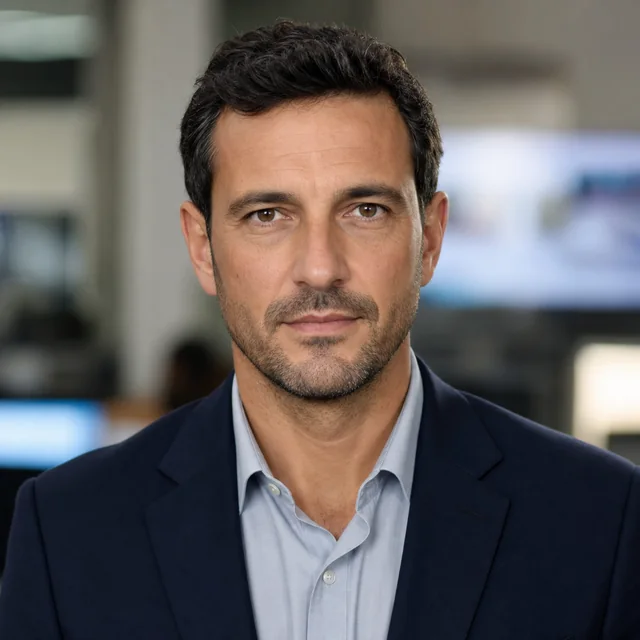
- Victor Wembanyama Rejects NBA Sports Betting Deals - November 20, 2026
- Gambling Sector Faces Consumer Protection Challenges Like - November 20, 2026
- Utah and Florida Crack Down on Illegal Online Gambling - November 19, 2026