Victor Wembanyama, the 22-year-old San Antonio Spurs star, has publicly refused to partner with sports betting companies, setting himself apart in an NBA landscape increasingly intertwined with gambling promotions.
While many NBA players, including LeBron James and Kevin Durant, have embraced endorsements and investments in betting and prediction markets, Wembanyama has drawn a clear line. Asked if he would ever collaborate with a sports betting firm, he responded emphatically, “I will never do that. Honestly, I think it’s very sad to see some players promote it. Everybody does whatever they want, but without me.“
This stance is notable given the NBA’s extensive integration with gambling companies. Broadcasts routinely display ads for major sportsbooks like FanDuel and DraftKings, and some games have streamed exclusively on betting-affiliated platforms such as the now-defunct FanDuel Sports Network. High-profile players often serve as faces for prediction market firms such as Polymarket and Kalshi, which have grown rapidly despite regulatory challenges.
LeBron James is the new face of Polymarket, Kevin Durant regularly reads FanDuel odds and invests in Kalshi, and Giannis Antetokounmpo is a shareholder in Kalshi. This widespread involvement reflects the NBA’s deepening ties to the gambling industry, which has become a significant revenue source for the league and its players.
For players and bettors, Wembanyama’s position highlights ongoing concerns about the normalization of gambling within professional sports. His refusal to endorse betting firms may resonate with fans wary of the potential harms associated with gambling promotion, including increased risk of problem gambling and conflicts of interest for athletes. It also raises questions about the ethical implications of athletes promoting products that may contribute to gambling addiction.
Consumers should be aware that while gambling advertising is pervasive in NBA content, not all players support these partnerships. Wembanyama’s example underscores the importance of critical engagement with gambling marketing and the need for responsible gambling measures to protect vulnerable individuals. The NBA’s embrace of gambling advertising can influence fans’ perceptions and behaviors, making player voices like Wembanyama’s especially relevant.
As prediction markets and sports betting continue to expand, players like Wembanyama who reject such endorsements may influence public discourse on gambling’s role in sports. His outspoken approach also serves as a reminder that athletes can take principled stands despite lucrative offers. This is particularly significant given the current environment where many sports podcasts and media outlets rely heavily on gambling company sponsorships.
Wembanyama’s refusal to partner with gambling companies comes at a time when the prediction markets sector is growing rapidly. For example, Kalshi recently reached a $40 billion valuation milestone despite ongoing regulatory challenges and litigation, illustrating the sector’s expansion and increasing influence on sports betting and prediction markets. More details on Kalshi’s growth can be found here.
For further context on the NBA’s relationship with gambling and Wembanyama’s stance, see The Guardian’s report. Players and bettors interested in responsible gambling resources can visit our Responsible Gambling section. For updates on sports betting developments, see Betting.
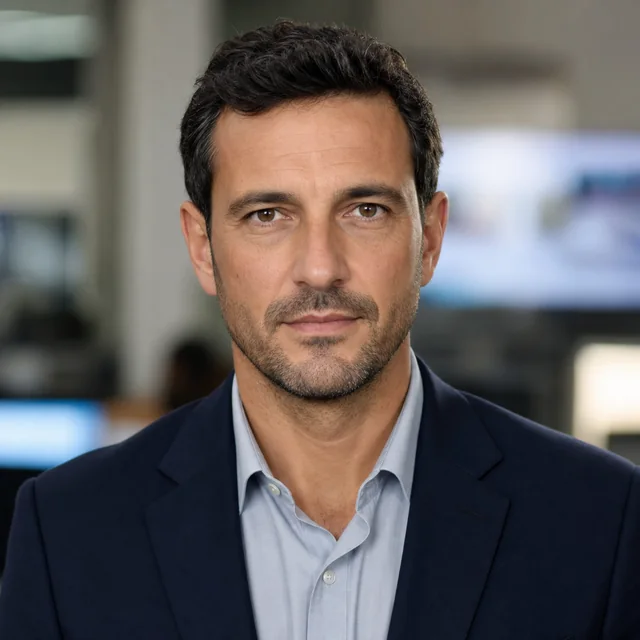
- Victor Wembanyama Rejects NBA Gambling Endorsements - October 29, 2026
- Betfair to Exit Italy as Regulatory Changes Impact Players - October 28, 2026
- CFTC Prioritizes Insider Trading Enforcement in Prediction - October 27, 2026