Victor Wembanyama, the 22-year-old star of the San Antonio Spurs, has taken a firm stance against partnering with sports betting companies, a rare position in the current NBA landscape where many players embrace gambling endorsements.
The NBA has increasingly integrated sports betting into its broadcasts and digital platforms, with major sportsbooks like FanDuel and DraftKings prominently featured. Several high-profile players, including LeBron James and Kevin Durant, actively promote betting platforms or invest in prediction market companies such as Kalshi. Against this backdrop, Wembanyama’s outright rejection of gambling partnerships stands out.
When asked if he would ever collaborate with a sports betting firm, Wembanyama responded, “Absolutely not. I will never do that. Honestly, I think it’s very sad to see some players promote it. Everybody does whatever they want, but without me.“ This clear refusal contrasts sharply with the NBA’s current commercial environment, where betting ads and sponsorships are ubiquitous.
Wembanyama’s position highlights growing concerns about the potential harms of gambling promotion, especially when athletes endorse companies that may encourage risky behavior or insider trading. His stance may prompt players and fans to critically evaluate the influence of gambling advertising in sports and the ethical implications of athlete endorsements.
For bettors and consumers, Wembanyama’s rejection serves as a reminder to approach sports betting with caution. The expansion of betting markets brings increased risks of problem gambling, making awareness and responsible play essential. His example encourages conversations about player protection and responsible gambling within the NBA community.
As one of the NBA’s most prominent young stars, Wembanyama’s outspoken views could influence how players engage with gambling endorsements in the future. His refusal to accept gambling money contrasts with peers who have embraced such partnerships, potentially shaping the league’s culture around betting sponsorships.
The NBA currently features extensive advertising for sportsbooks such as FanDuel and DraftKings, and until recently, many games streamed exclusively on FanDuel Sports Network. Players like LeBron James serve as the face of Polymarket, a prediction market platform, while Kevin Durant and Giannis Antetokounmpo hold investments in Kalshi, a regulated event contract exchange. This widespread involvement underscores the normalization of gambling within the league.
Wembanyama’s stance is particularly notable given the broader context of increased scrutiny on prediction markets. For example, Kalshi recently banned former congressman George Santos for insider trading violations related to event contracts, highlighting regulatory and ethical challenges in this space. For more on these issues, see The Guardian’s analysis of prediction markets and CDC Gaming’s report on prediction market regulation.
Players and fans interested in sports betting should consult responsible gambling resources to understand the risks and protections available. With the NBA’s growing ties to gambling companies, maintaining awareness and practicing caution remain critical for consumers.
Wembanyama’s refusal to endorse gambling companies also contributes to ongoing discussions about player protection and the ethical responsibilities athletes hold when promoting betting products. For further information on these topics, see our coverage on player protection and sports betting.
Source: Gambling | The Guardian.
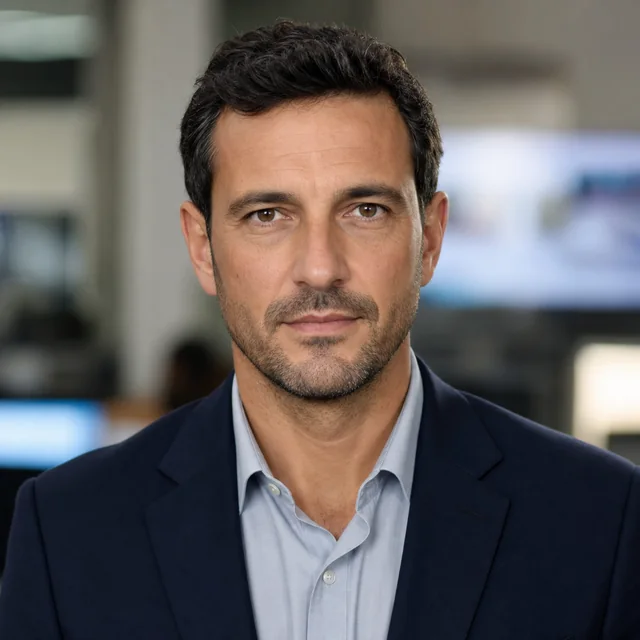
- Victor Wembanyama Rejects NBA Gambling Endorsements - October 19, 2026
- Victor Wembanyama Rejects NBA Gambling Endorsements - October 18, 2026
- 2026 World Cup Boosts France Gambling Market Growth Slightly - October 17, 2026