Victor Wembanyama, the 22-year-old star of the San Antonio Spurs, has taken a clear stance against endorsing sports betting companies, a move that contrasts sharply with many of his NBA peers.
In an era where the NBA heavily promotes gambling through advertisements for major sportsbooks like FanDuel and DraftKings, and where stars such as LeBron James and Kevin Durant actively partner with betting and prediction market firms, Wembanyama’s refusal stands out. When asked if he would ever collaborate with a sports betting firm, he responded unequivocally, “I will never do that. Honestly, I think it’s very sad to see some players promote it. Everybody does whatever they want, but without me.“
This decision carries practical implications for players and bettors. As gambling becomes increasingly embedded in sports broadcasts and athlete endorsements, Wembanyama’s rejection highlights concerns about the influence of gambling companies on sports culture and the potential risks for consumers. These risks include exposure to aggressive marketing, normalization of betting, and the possibility of insider trading or conflicts of interest involving athletes.
For consumers and bettors, Wembanyama’s stance serves as a cautionary signal. The widespread promotion of betting odds and prediction markets during NBA games can encourage impulsive wagering, which may lead to gambling-related harm, especially among vulnerable individuals. His position also raises ethical questions about athletes endorsing gambling products, which can affect public trust and the integrity of sports.
Wembanyama’s refusal to endorse gambling companies comes amid growing scrutiny of prediction markets and sports betting partnerships. For instance, former congressman George Santos was banned from the prediction market Kalshi and fined after betting on himself not attending a State of the Union address, a case that drew attention to insider trading risks in these markets (The Guardian).
Additionally, media coverage of gambling has faced challenges. Investigative journalist Nicole Noren revealed that ESPN sidelined investigations into sports betting companies as gambling partnerships reshaped the network’s priorities, highlighting potential conflicts between media and gambling interests (The Guardian).
Players and bettors interested in responsible gambling should note that while gambling companies are deeply embedded in sports marketing, individual athletes like Wembanyama are pushing back against this trend. His public rejection may encourage more open conversations about the impact of gambling promotions on fans and the importance of player integrity.
From a player protection perspective, Wembanyama’s stance may inspire younger athletes to consider the ethical implications of gambling endorsements. It also highlights the need for ongoing education and support around gambling harm within professional sports.
For consumers, awareness of the pervasive nature of gambling advertising in sports broadcasts is crucial. Recognizing the potential for these promotions to influence betting behavior can help bettors make more informed decisions and seek help if gambling becomes problematic.
For more on sports betting developments and player protection, visit our Betting and Responsible Gambling sections. Coverage of NBA gambling trends can also be found in our USA category.
Source: Gambling | The Guardian.
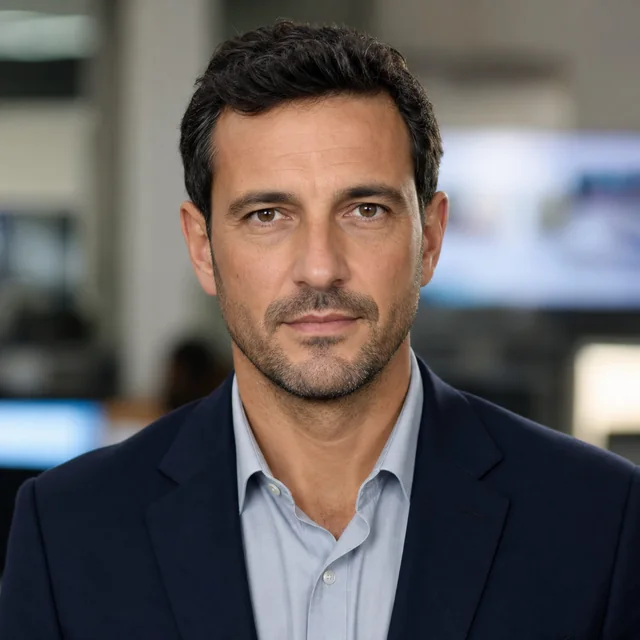
- Victor Wembanyama Rejects NBA Gambling Endorsements - October 18, 2026
- 2026 World Cup Boosts France Gambling Market Growth Slightly - October 17, 2026
- Pennsylvania Casino License Renewed; Players Excluded - October 15, 2026