Victor Wembanyama, the 22-year-old San Antonio Spurs star, has publicly refused to partner with sports betting companies, a rare stance in the NBA where gambling promotion is widespread.
As sports betting becomes increasingly embedded in NBA broadcasts and marketing, with major players like LeBron James and Kevin Durant endorsing betting platforms, Wembanyama’s rejection stands out. He told reporters, “I will never do that. Honestly, I think it’s very sad to see some players promote it. Everybody does whatever they want, but without me.”
For players and bettors, Wembanyama’s position highlights growing concerns around the normalization of gambling in professional sports. NBA games routinely feature ads for FanDuel, DraftKings, and other sportsbooks, and some games have streamed exclusively on betting network platforms. This saturation increases exposure to gambling products for fans and bettors, potentially encouraging risky behavior.
Wembanyama’s refusal to endorse gambling companies draws attention to the potential harms for players and consumers. Betting promotions often blur the lines between entertainment and risk, and athletes endorsing these products may influence vulnerable fans to gamble without fully understanding the risks. His stance serves as a reminder that not all athletes support the close ties between sports and betting.
Consumers should be aware that gambling promotions in sports are not without risks. The aggressive marketing of betting odds and prediction markets can contribute to problem gambling, especially among younger or less experienced bettors. Wembanyama’s comments underscore the importance of responsible gambling measures and player protections in this environment. For more on responsible gambling, see Responsible Gambling.
His position also contrasts with recent controversies in prediction markets, where insider trading and regulatory scrutiny have raised alarms about fairness and player safety. For example, former congressman George Santos was banned from Kalshi for betting on himself not attending the State of the Union address, a case that highlights risks in lightly regulated betting markets (The Guardian).
Players and fans interested in safer gambling environments should monitor developments in regulation and player protection, such as actions by the Michigan Gaming Control Board against illegal offshore operators (CDC Gaming). These efforts aim to reduce exposure to unlicensed and potentially harmful gambling products, a key concern in Player Protection.
Wembanyama’s outspoken rejection of gambling endorsements offers a rare voice of caution in a sports world increasingly intertwined with betting. His stance may encourage fans and players alike to critically consider the impact of gambling promotions and the importance of maintaining boundaries between sports and betting.
As the NBA continues to integrate sports betting into its broadcasts and marketing, Wembanyama’s position provides a counterpoint to the prevailing trend. His refusal to accept gambling money reflects a growing awareness of the potential harms associated with gambling promotion in sports.
For more on sports betting developments, visit our Betting section. To stay updated on regulatory changes and industry news, see our Regulation coverage.
Source: Gambling | The Guardian.
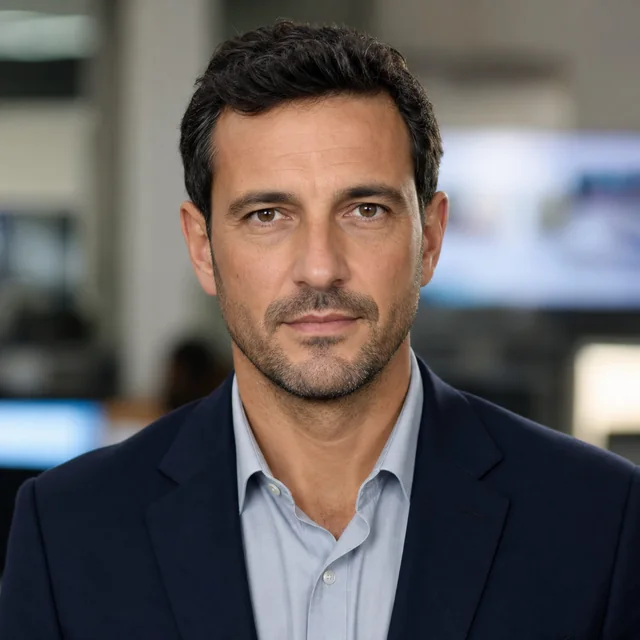
- Victor Wembanyama Rejects NBA Gambling Endorsements - October 11, 2026
- Northern Territory Bill Proposes Ban on Bonuses and VIP - October 11, 2026
- India’s PROG Act 2026 Shifts Online Gaming Focus to Social - October 10, 2026