Victor Wembanyama, the San Antonio Spurs’ 22-year-old star, has taken a clear stance against endorsing sports betting companies, a notable position in an NBA landscape where many players actively promote gambling products.
At a recent Spurs practice, Wembanyama was asked if he would ever partner with a sports betting firm. Despite the NBA’s widespread promotion of betting brands like FanDuel and DraftKings, and peers such as LeBron James and Kevin Durant openly endorsing gambling platforms, Wembanyama responded firmly: “I will never do that. Honestly, I think it’s very sad to see some players promote it. Everybody does whatever they want, but without me.“
This rejection stands out in a league where gambling advertising is deeply embedded. The NBA integrates betting odds into broadcasts and has featured exclusive streaming partnerships with betting networks such as FanDuel Sports Network, which until recently streamed many NBA games exclusively. These arrangements increase exposure to gambling for viewers and fans, especially younger audiences who may look up to athletes as role models.
Wembanyama’s refusal to accept gambling money contrasts sharply with other stars who have embraced these partnerships. LeBron James is the face of Polymarket, a prediction market platform; Kevin Durant reads FanDuel odds and invests in Kalshi, another prediction market; and Giannis Antetokounmpo is a shareholder in Kalshi. These endorsements have drawn criticism for potentially encouraging gambling among fans and raising ethical questions about athletes promoting betting products.
For players and bettors, Wembanyama’s stance serves as a reminder to consider the risks associated with gambling, including financial harm and conflicts of interest. His position may encourage more open conversations about responsible gambling and the role athletes play in promoting or discouraging betting. It also highlights the ongoing debate about player responsibility and the ethics of gambling sponsorships in sports.
Consumers and those at risk of gambling harm should be aware that the prominence of betting advertisements during NBA games can influence behavior. Regulatory bodies continue to monitor gambling advertising to protect vulnerable players, but the presence of high-profile endorsements complicates these efforts. For more on player protection and responsible gambling, see our coverage on Responsible Gambling and Player Protection.
Wembanyama’s example adds a valuable voice to the discussion about the intersection of sports and gambling. His clear message may influence fans and fellow athletes to critically assess the relationship between sports and betting, especially as prediction markets and event contracts gain regulatory attention.
Prediction markets have become increasingly popular in the US, with platforms like Kalshi facing regulatory scrutiny. The Commodity Futures Trading Commission (CFTC) recently proposed rules to formally define event contracts as swaps under federal law, aiming to clarify the regulatory framework around these markets while prohibiting traditional gambling. For more details, see the CDC Gaming report on CFTC proposals and The Guardian’s analysis of prediction markets.
Wembanyama’s stance is particularly notable given the current cultural and economic environment, where gambling promotion is widespread and often unquestioned. His refusal to endorse betting companies may set a precedent for other athletes considering the ethical implications of such partnerships.
Source: Gambling | The Guardian.
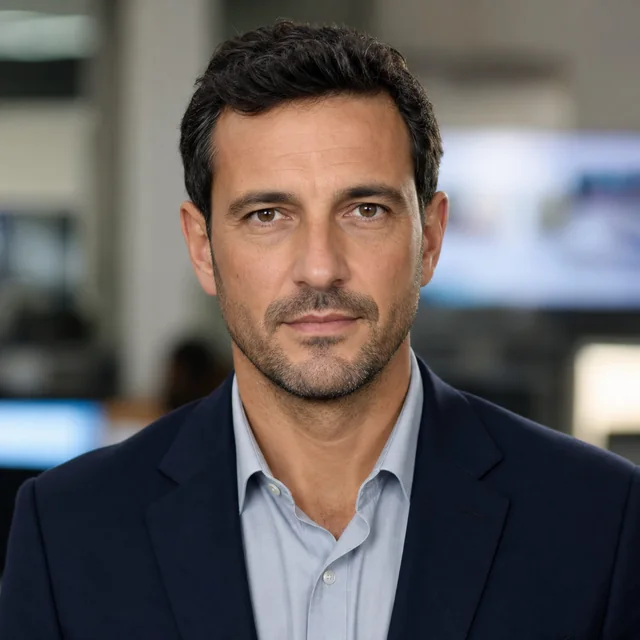
- Victor Wembanyama Rejects NBA Gambling Endorsements - October 13, 2026
- Nordic Gaming Firms Eye Pan-Scandinavian Stock Exchange - October 12, 2026
- AI and Regulation Shape iGaming Trends for 2027 - October 12, 2026